When you imagine a lawyer you may think of some of these famous TV lawyers:
- Arnie Becker, “L.A. Law” ...
- Saul Goodman, “Breaking Bad”/”Better Call Saul” ...
- Perry Mason, “Perry Mason” ...
- Jack McCoy, “Law & Order” ...
- Ben Matlock, “Matlock” ...
- Jackie Chiles, “Seinfeld” ...
- Harvey Specter, “Suits” ...
- Will Truman, “Will & Grace”
How about famous movie Lawyers:
- Atticus Finch, "To Kill a Mockingbird"...
- Daniel Kafee, "A Few Good Men"...
- Ellie Woods, "Legally Blonde"...
- Jake Tyler Brigauce, "Time to Kills"...
- Martin Vail "Primal Fear"...
- Frank Galvin. "The Verdict"...
- Andrew Beckett. "Philadelplia"...
- Vincent Gambini. "My Cousin Vinny"
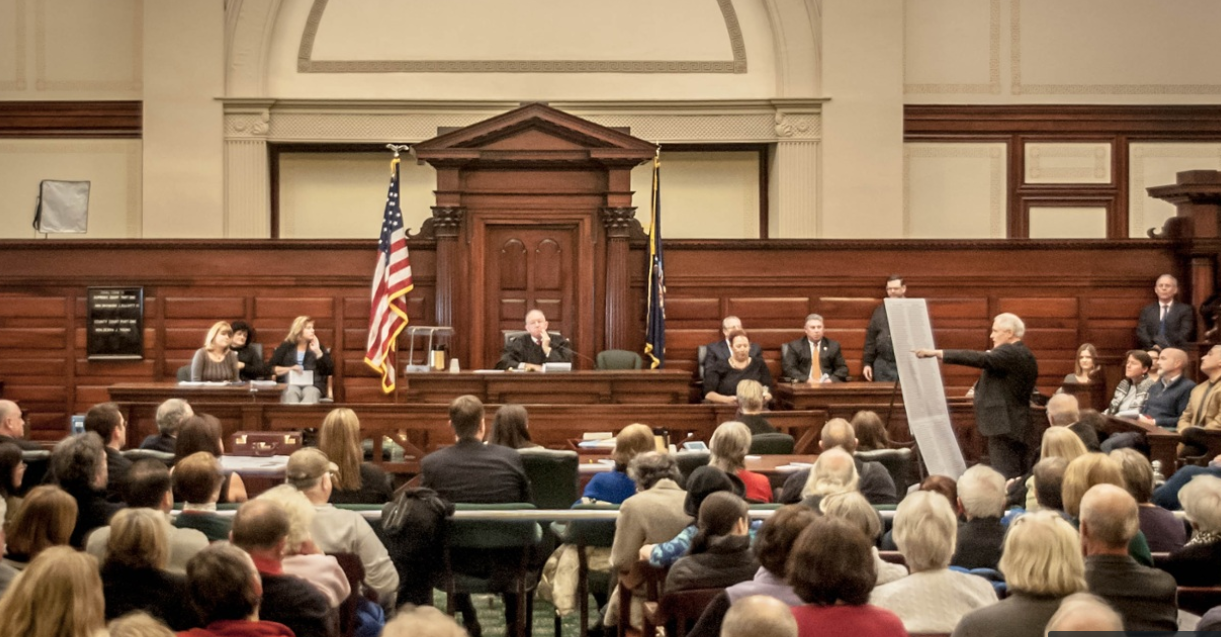
All of these great TV and movie lawyers have a grand setting to impact the lives of their clients and our country. The drama and theater in a court are real and make a difference in real peoples lives.
I started practicing law in 1993 and consider myself a trial lawyer. In the 30 years I have been a practicing lawyer, trials have been increasingly rare. I still have many bench trials in district court as well as at least 4 jury trials a year. However, in the past I have had 5 jury trials in one month and 5 bench trials in district court in a day.
I recently read in the an article from the NH Union Leader that indicated "Last year, 98.3% of federal criminal convictions, and about 95% in the states, resulted from bargained guilty pleas. Why? To a significant extent, coercion."
Another article from Judicare states: By the end of World War II, plea bargains or dismissals resolved approximately 80 percent of all criminal cases in the federal courts, and trials accounted for the remaining 20 percent.17 The percentage stayed roughly the same until the early 1980s. However, following passage of the federal sentencing guidelines in the mid-1980s, the percentage of criminal cases resolved by trial significantly declined. By 2000, it was just 6 percent, and by 2010, the rate of disposition by trial in criminal cases was less than 3 percent.18 Today, trials only occur in approximately 2 percent of federal criminal cases.19 As Judge William Young of the U.S. District Court for the District of Massachusetts explains: “Today, our federal criminal justice system is all about plea bargaining. Trials — and, thus, juries — are largely extraneous.”20 Of course, many more cases are filed, and ultimately resolved, in state courts.21 But, if anything, there is even less likelihood of a case proceeding to trial in state court than in federal court.22 One study found that by 2002, civil cases were resolved by juries in state court less than 1 percent of the time.23 The comparable number for criminal cases was 1.3 percent.24 The rates are even lower today.25 Primarily due to foreclosure cases growing out the mortgage crisis, bench trials remain common in a few state courts, but rarely occur in others.26
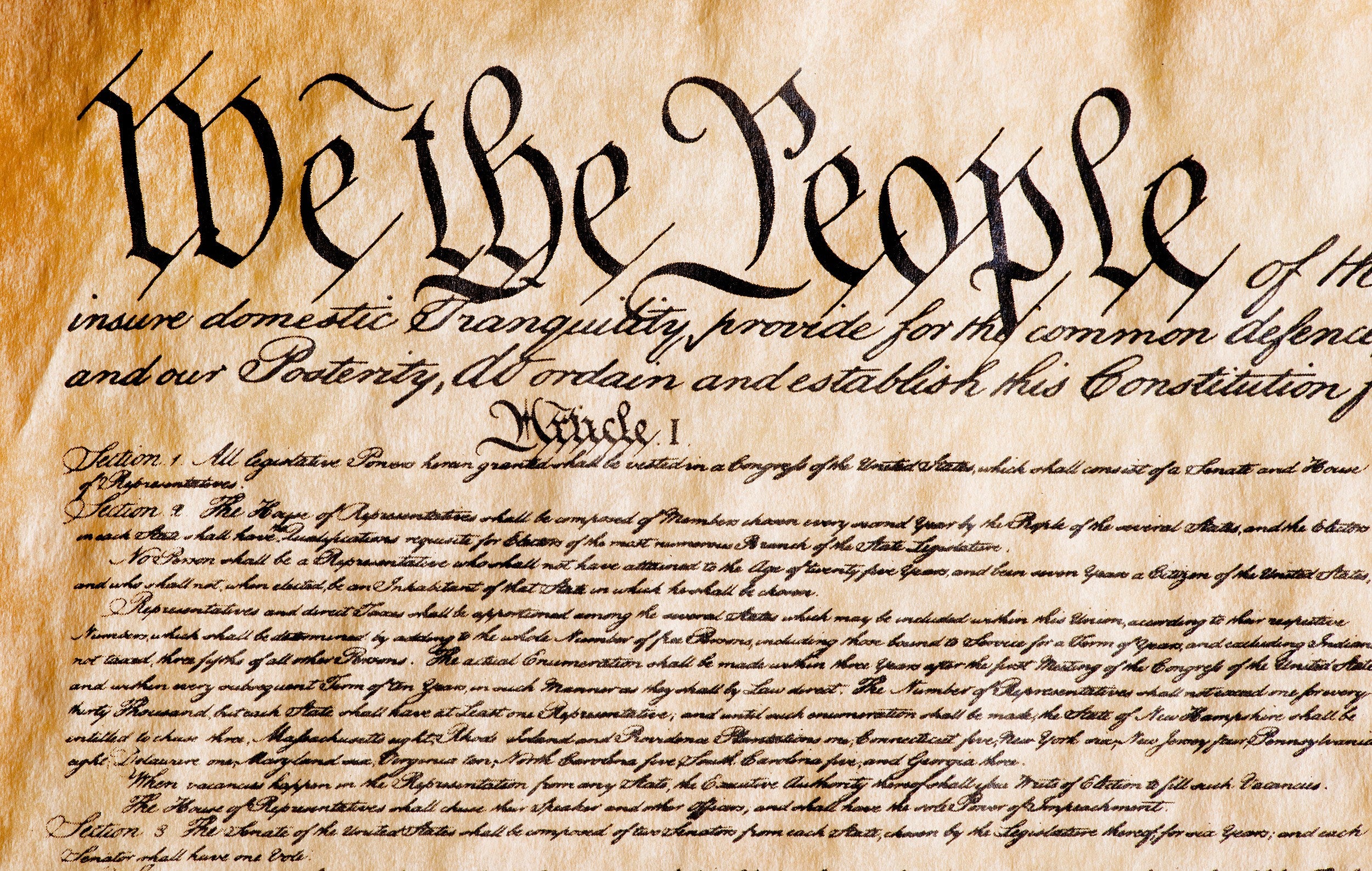
A criminal trial is a structured adversarial process where the facts of the case are presented to a jury or a judge and the defendant is determined to be guilty or not guilty. .This right is found in the federal and state constitutions it is in decline but is still available and an option.
The declining number of trials is real and the impact is also real as innocent people are coerced into taking plea bargains rather than risk a higher sentences after a trial. I am proud to represent my clients in court and to take cases to trial.
If you have been accused of a crime and want to fight your case in court you need a real defense attorney who understands the rules of evidence, advocacy and the law. If you are charged in Northern NH contact me Len Harden.